Payment Pathways and Their Impact on Bonus Strategies for British Online Gamblers
Carlo Beck · Nov 11, 2026
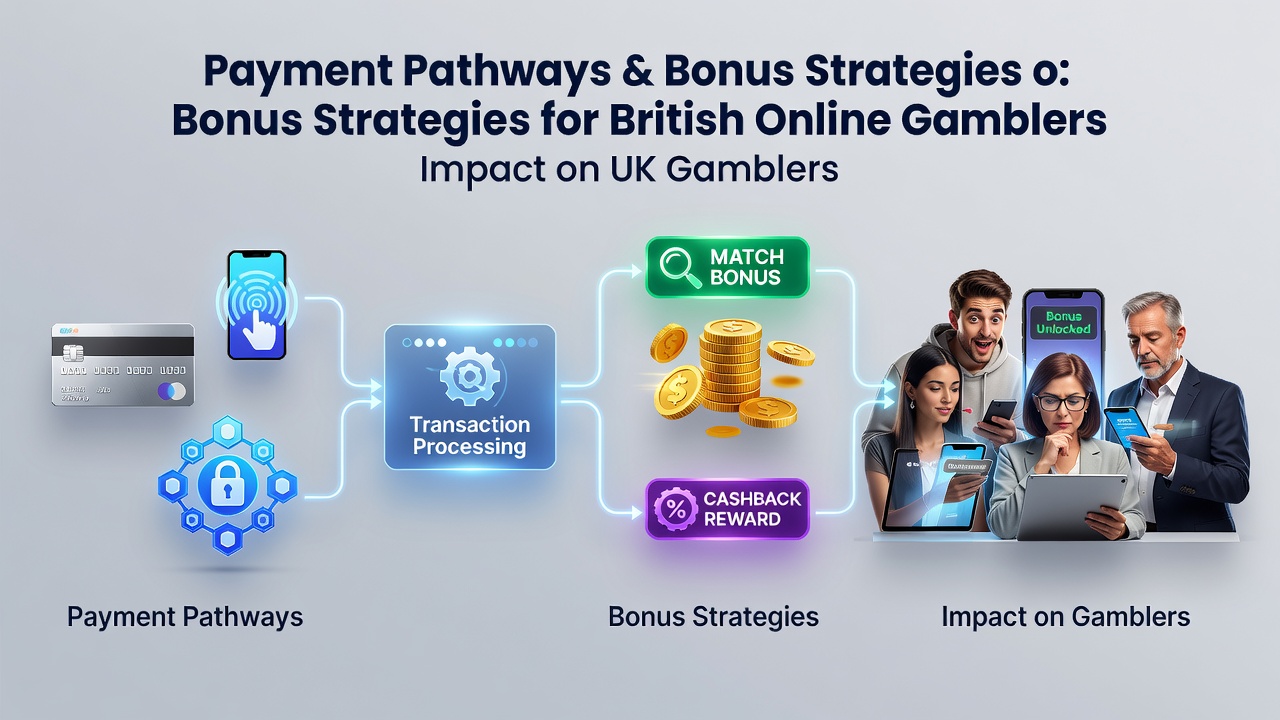
Payment Pathways and Their Impact on Bonus Strategies for British Online Gamblers
British online gamblers navigate an array of payment pathways that directly shape how bonus offers get structured and claimed, with operators adjusting terms based on transaction speed, cost, and traceability features. Credit and debit cards remain dominant while e-wallets such as PayPal and Skrill often unlock higher match percentages or reduced wagering multiples because they facilitate quicker deposits and clearer audit trails. Bank transfers, though slower, sometimes pair with loyalty bonuses that reward volume over speed, creating distinct strategic layers for players who track their own transaction histories.
Core Payment Categories and Operator Adjustments
Payment pathways break down into instant, same-day, and multi-day options, and each category influences bonus availability in measurable ways. Instant methods typically trigger welcome bonuses with standard playthrough requirements, whereas delayed transfers may exclude players from time-sensitive promotions altogether. Operators track these differences through internal systems that flag which pathways correlate with higher bonus redemption rates, leading to tailored campaigns that favor certain tools during peak periods. Data from industry analyses show that e-wallet users claim bonuses at rates up to 30 percent higher than card-only participants in comparable cohorts.
Those who study transaction patterns note that prepaid vouchers and mobile payment apps introduce additional variables, often carrying stricter bonus caps or exclusion clauses to offset higher processing fees passed along by providers. Research indicates these restrictions appear most frequently in slots-focused offers, where operators seek to balance risk across high-volume, low-margin games. Players who map their preferred pathways against current bonus catalogs can therefore align deposit timing with promotional windows that maximize effective value before expiration dates hit.
How Bonus Mechanics Respond to Transaction Data
Bonus structures evolve in response to aggregated payment data, with operators refining match rates, cashback percentages, and free spin allocations according to which pathways deliver the most stable player behavior. Faster pathways frequently receive bonus enhancements because they reduce cart abandonment during checkout, while slower options may shift toward reload bonuses that encourage recurring activity rather than one-time spikes. Figures from market reports reveal that in periods of regulatory tightening, platforms accelerate these adjustments to maintain engagement without inflating liability on restricted payment rails.
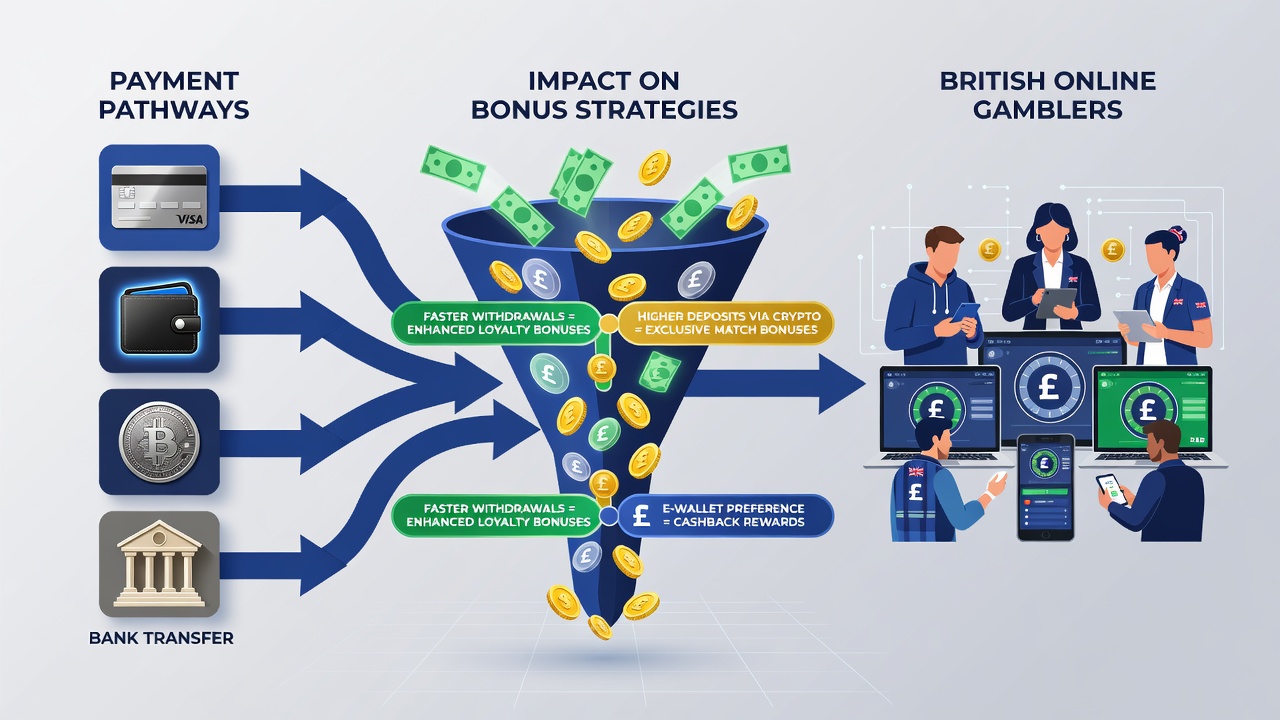
One study released by the European Gaming and Betting Association highlighted correlations between payment choice and bonus completion rates, finding that players using instant bank apps finished wagering requirements in shorter timeframes than those relying on traditional wires. This efficiency gap prompts operators to attach higher-value rewards to the faster pathways while maintaining baseline offers for legacy methods. Observers tracking these shifts note that November 2026 saw several major sites introduce pathway-specific bonus tiers timed with holiday deposit surges, extending higher match percentages exclusively to verified e-wallet accounts.
Strategic Alignment for Different Player Profiles
Players develop individualized approaches by matching payment pathways to their preferred bonus types, whether those focus on high-match welcome packages, ongoing cashback, or loyalty points convertible into credits. Those prioritizing quick access often default to e-wallets that bypass verification delays, allowing immediate bonus activation on new accounts. In contrast, individuals managing larger bankrolls may favor wire transfers that support higher deposit limits paired with exclusive high-roller bonuses unavailable through capped digital wallets. Patterns emerging from transaction analytics show consistent segmentation along these lines, with operators publishing pathway-specific terms that reflect the observed behaviors.
Additional layers appear when currency conversion or cross-border fees enter the equation, as certain pathways absorb or pass on these costs in ways that alter net bonus value. Reports from Australian regulatory bodies tracking similar markets indicate that transparent fee disclosure leads to higher sustained bonus engagement, prompting British-facing sites to mirror those practices in their own disclosures. Players who factor total cost of deposit into their calculations therefore gain an edge when comparing seemingly identical bonus offers across competing platforms.
Conclusion
Payment pathways continue to function as active variables in bonus strategy formulation, with operators and players both adapting to data that links transaction characteristics to redemption outcomes. As platforms refine their offerings through ongoing analysis, the relationship between method selection and promotional value remains a measurable driver of how British online gamblers approach bonus participation across different game categories and timeframes.