Patterns Emerging in UK Bettors' Selection of Transaction Tools to Refine Decision Processes When Pursuing Options Beyond Standard Exclusion Services
Amir Simmons · Sep 16, 2026
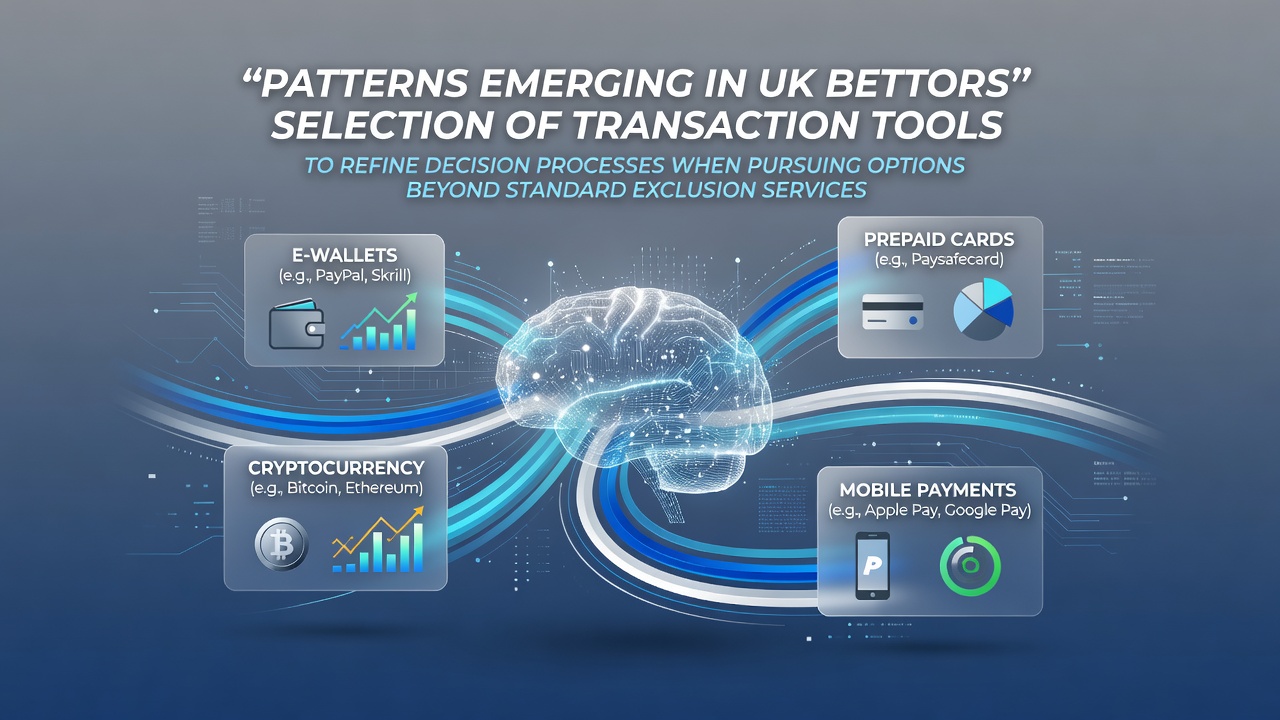
Patterns Emerging in UK Bettors' Selection of Transaction Tools to Refine Decision Processes When Pursuing Options Beyond Standard Exclusion Services
UK bettors have shown distinct shifts in how they select transaction tools when moving past conventional exclusion mechanisms, and these choices increasingly tie into refined decision frameworks that emphasize control features and data tracking. Research from multiple jurisdictions indicates that payment methods now serve dual roles as both facilitators of transactions and instruments for monitoring spending patterns over time.
Key Shifts in Tool Preferences Observed Through 2026
Data collected up to September 2026 reveals growing adoption of tools that integrate real-time balance alerts and spending caps directly into banking apps or digital wallets, allowing users to adjust parameters without relying solely on third-party exclusion programs. Observers note that these features help individuals align their transaction selections with personal risk assessments rather than fixed exclusion periods that may not match evolving circumstances.
Studies conducted across European markets highlight similar developments where bettors prioritize platforms offering granular transaction histories, which support retrospective analysis of betting volumes and outcomes. This approach contrasts with earlier reliance on blanket service blocks and instead promotes ongoing evaluation of financial decisions through accessible records.
Factors Influencing Selection of Transaction Methods
Multiple elements drive these patterns, including processing speed, integration with budgeting software, and compatibility with international transfer options that bypass domestic restrictions. Figures from industry reports show that methods supporting instant notifications see higher uptake among those seeking alternatives to standard exclusion services, because such tools enable immediate feedback loops during active betting sessions.
One analysis of user behavior patterns found that privacy-focused options, such as certain prepaid cards or cryptocurrency-linked services, appeal to individuals who want to separate gambling activity from primary banking records while still maintaining oversight through dedicated dashboards. Researchers discovered that these selections often coincide with efforts to establish custom decision protocols that weigh short-term transaction costs against long-term spending visibility.
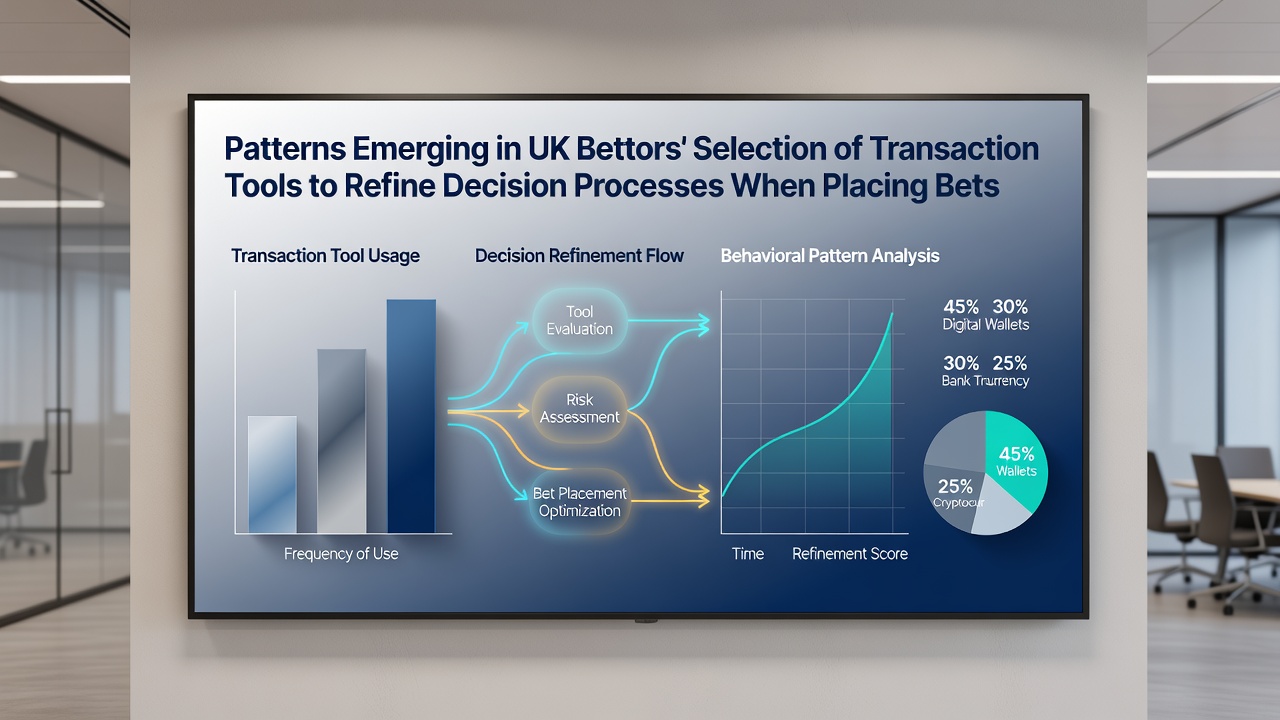
International Comparisons and Supporting Evidence
Comparative data from other regions provides context for UK developments, with a report from the Australian Institute of Family Studies documenting parallel trends where participants favor transaction tools that embed limit-setting functions to complement voluntary exclusion alternatives. Similar findings appear in Canadian research, where a review by the Canadian Centre on Substance Use and Addiction notes increased use of digital payment features that facilitate personal tracking independent of regulatory exclusion lists.
These cross-border observations suggest that UK bettors draw from a wider set of available tools as global payment infrastructure evolves, leading to patterns where selection criteria prioritize adaptability over simplicity. Evidence indicates that users often combine multiple methods within a single decision process, switching between options based on session-specific goals such as rapid deposits versus detailed expenditure reviews.
Emerging Data on Decision Refinement Outcomes
Longitudinal tracking through 2026 shows measurable changes in how bettors structure their choices around transaction tools, with many incorporating automated categorization of gambling-related transfers into personal finance applications. This integration supports more precise evaluations of betting frequency and amounts without depending entirely on external exclusion frameworks.
Patterns also emerge around tool accessibility during travel or across devices, where mobile-optimized options gain preference because they allow consistent application of decision rules regardless of location. Those who've examined these trends report that such flexibility contributes to sustained use of specific transaction methods even as individual circumstances shift.
Conclusion
Overall patterns indicate that UK bettors continue to refine their approaches to transaction tool selection as a means of enhancing personal decision processes beyond traditional exclusion services, with data from September 2026 underscoring the role of integrated features in supporting these adjustments. Continued monitoring across jurisdictions will likely reveal further evolutions in how these tools intersect with individual financial strategies.