How Payment Choices Shape Wager Management Tactics Among British Players Turning to Exclusion Service Alternatives
Erik Otto · Sep 2, 2026
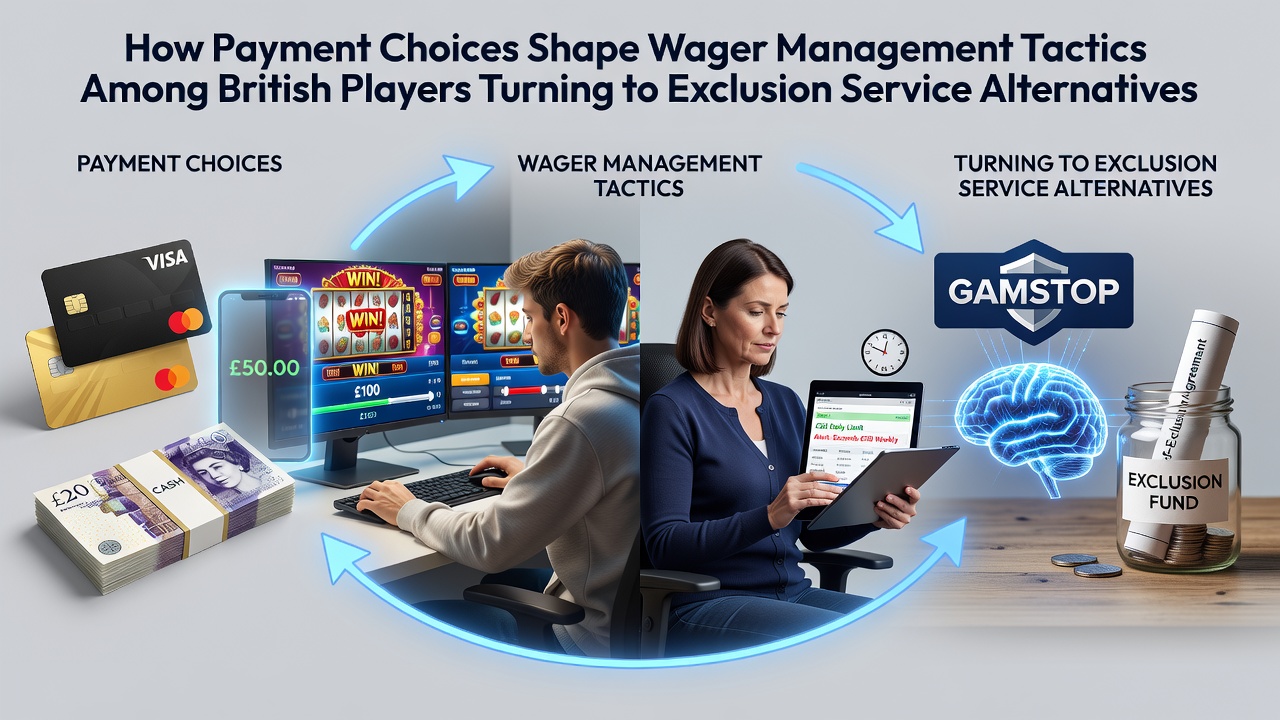
How Payment Choices Shape Wager Management Tactics Among British Players Turning to Exclusion Service Alternatives
Payment methods available to British players influence how they approach wager management when exploring alternatives to standard exclusion services. Bank transfers, debit cards, e-wallets, and prepaid vouchers each carry distinct transaction speeds, tracking features, and spending controls that shape daily decisions. Data from industry reports shows these choices affect deposit limits, withdrawal timing, and overall session planning for those seeking flexible options outside traditional self-exclusion programs.
Payment Speed and Session Structuring
Instant deposit options like certain e-wallets allow players to add funds quickly during a session, whereas bank transfers often require 1-3 business days for processing. This difference means individuals using slower methods tend to plan deposits in advance and set stricter per-session budgets to avoid mid-week interruptions. Observers note that faster methods encourage shorter, more frequent deposits, which in turn prompts tighter real-time monitoring of losses through built-in app alerts.
Prepaid vouchers purchased at retail outlets introduce an additional layer because they cap spending at the voucher amount purchased upfront. Players relying on these options frequently divide larger intended stakes across multiple smaller vouchers bought on separate days, creating natural pauses that function as informal cooling-off periods. Research from academic institutions indicates this approach correlates with lower average wager sizes compared to linked bank accounts that permit seamless top-ups.
Tracking Features and Budget Oversight
Debit card transactions appear directly on monthly statements, giving users clear visibility into gambling-related outflows alongside everyday purchases. E-wallet services often provide separate transaction histories that users can export or review independently, allowing more granular categorization of betting activity. Those who study player behavior report that individuals choosing methods with detailed logs adjust their stake sizes more frequently after reviewing past data, especially during periods of market fluctuation reported in September 2026.
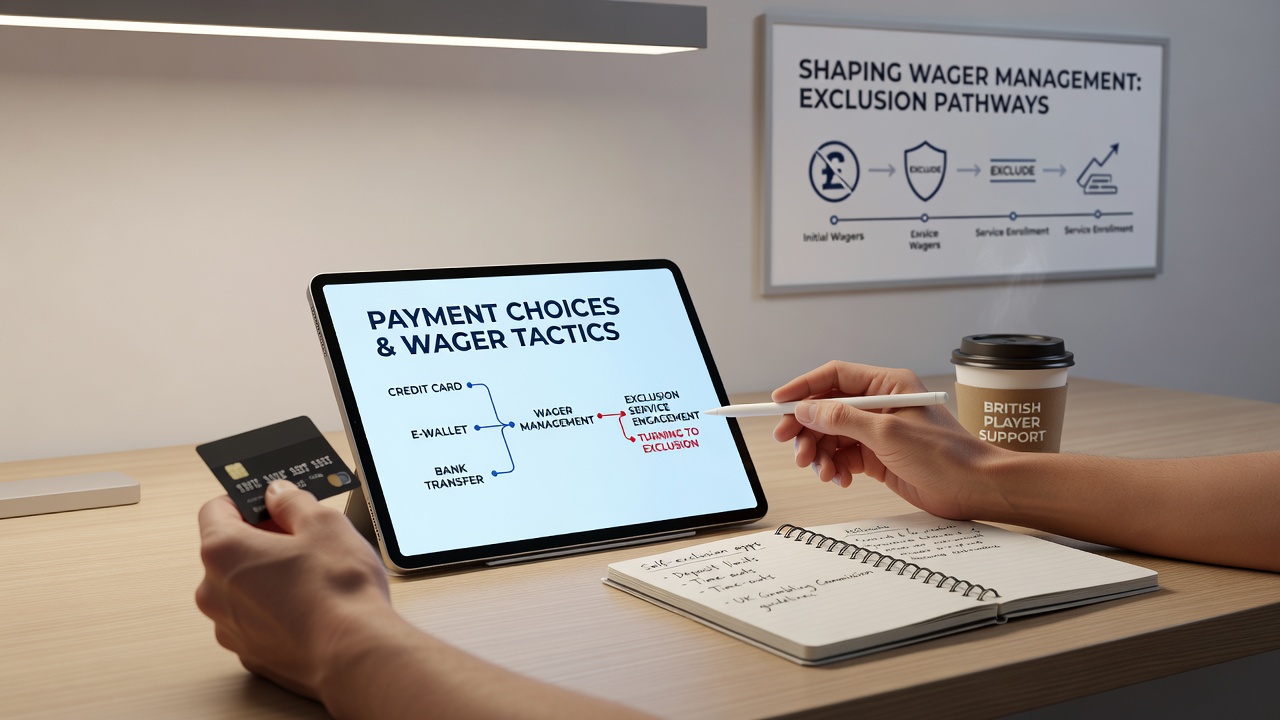
Alternative exclusion services frequently integrate with specific payment processors that offer spending caps or temporary blocks. When a player selects a method compatible with these tools, the combination creates automated reminders or hard stops once thresholds are reached. Figures from Canadian research groups reveal that such integrations lead to earlier exits from sessions when loss limits activate compared to standalone card payments without additional software layers.
Withdrawal Patterns and Cash Flow Management
Methods with rapid withdrawal times, such as certain digital wallets, allow players to move winnings out of betting accounts within hours rather than days. This speed reduces the temptation to reinvest funds immediately because the money becomes accessible for non-gambling uses sooner. Slower options like wire transfers keep balances locked longer, prompting some users to adopt a rule of leaving a fixed percentage untouched until the transfer clears.
Prepaid and voucher-based systems eliminate withdrawal functionality entirely, forcing any winnings to be claimed through a secondary method. This structural difference pushes players toward lower initial stakes since there is no option to withdraw mid-session. Industry data collected across multiple jurisdictions shows consistent patterns where voucher users maintain flatter betting curves over extended periods.
Regulatory Context and Emerging Tools in 2026
Payment service providers operating in the UK must comply with broader financial conduct rules that affect how gambling transactions are categorized and reported. Changes scheduled for implementation around September 2026 require clearer labeling of betting-related transfers on consumer statements, giving players additional visibility. These updates coincide with expanded API connections between exclusion alternative platforms and selected banks, allowing optional real-time balance sharing.
Academic studies from European research centers highlight that players who adopt methods supporting these new integrations demonstrate more consistent adherence to self-imposed limits. The availability of multi-currency e-wallets also lets some users route funds through accounts held in different regions, though transaction fees and exchange rates add complexity to long-term planning.
Case Examples from Player Data
One analysis of transaction records from an Australian regulatory dataset found that users switching between debit cards and e-wallets within the same month adjusted their average bet size downward by 12 percent after the switch. Another review of Canadian provincial data indicated that voucher-only participants recorded fewer sessions exceeding two hours compared to those using instant bank links. These patterns emerge because each payment type imposes different friction points that interrupt automatic top-up behavior.
Observers tracking trends note that British players experimenting with exclusion service alternatives often test multiple payment combinations before settling on one primary method. The choice frequently depends on whether the priority is speed of access, ease of record-keeping, or enforced separation between gambling funds and everyday banking.
Conclusion
Payment selection operates as a practical lever within wager management strategies for those navigating exclusion service alternatives. Transaction speed, visibility of records, withdrawal flexibility, and compatibility with spending controls each contribute measurable effects on how sessions unfold and how budgets hold over time. As new regulatory features roll out in September 2026, the range of available tools continues to expand, offering additional options for players seeking structured approaches outside conventional programs. Data from diverse international sources continues to document these interactions across different payment ecosystems.