Exploring Digital Wallet Innovations Enabling Access to Offshore Platforms for Self-Excluded UK Bettors
Casey Hoffmann · Aug 24, 2026
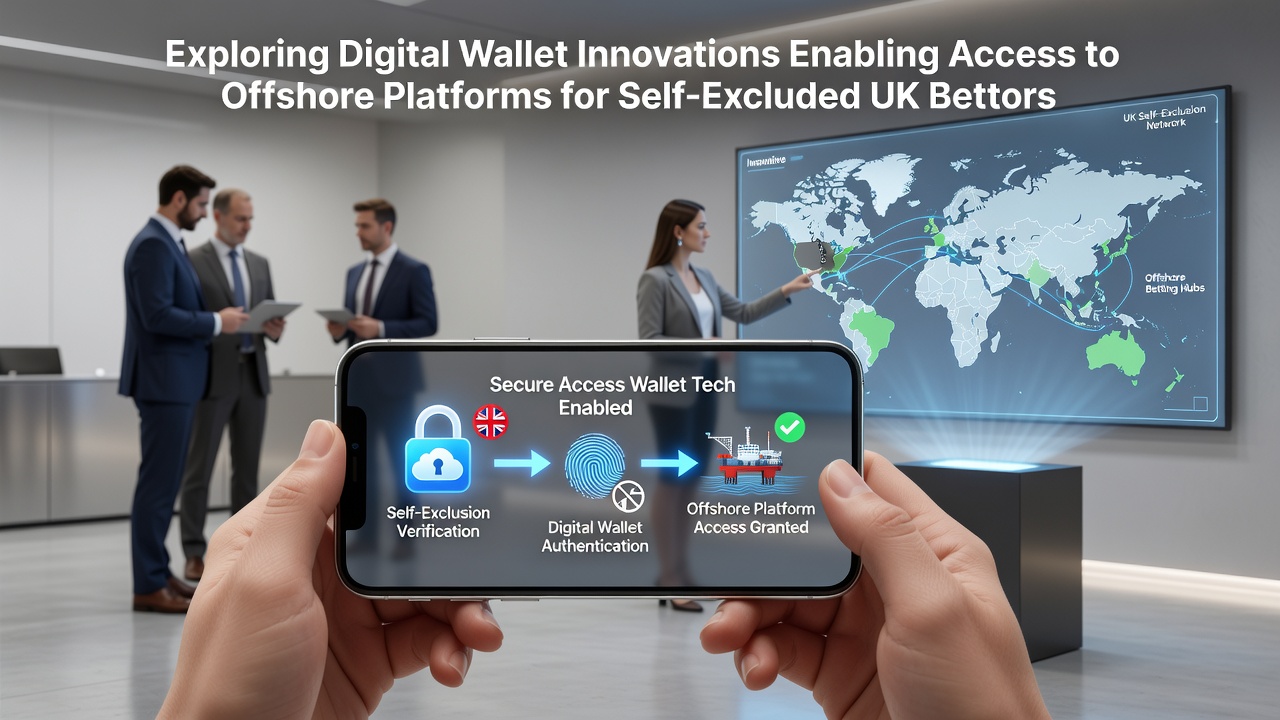
Exploring Digital Wallet Innovations Enabling Access to Offshore Platforms for Self-Excluded UK Bettors
Digital Wallets and Their Role in Online Gambling Access
Digital wallets have transformed payment processing across the gambling sector since their widespread adoption in the mid-2010s, and researchers from various academic institutions continue to track how these tools integrate with international platforms. E-wallets such as Skrill, Neteller, and cryptocurrency-based options process transactions through encrypted channels that often bypass traditional banking restrictions, which allows users in regions with strict local regulations to connect with operators licensed in other jurisdictions. Data from industry reports indicate that transaction volumes through digital wallets in online gambling grew steadily between 2020 and 2025, driven by faster settlement times and reduced fees compared with credit card processing.
Those who study payment technologies note that many offshore platforms accept multiple wallet types because these methods provide anonymity features that appeal to users seeking alternatives to domestic systems. In the United Kingdom, self-exclusion programs like GAMSTOP block access to licensed operators, yet observers point out that some individuals explore offshore sites through wallet services that do not always share data with UK regulators. Figures from European research groups reveal that wallet adoption rates among cross-border gamblers increased notably after 2023, coinciding with improvements in multi-currency support and instant transfer capabilities.
Technological Advancements in Wallet Security and Integration
Innovations in blockchain-based wallets and multi-signature authentication have added layers of protection that appeal to both users and platform operators, while developers continue to refine these systems for seamless connectivity. Studies published by university finance departments show that features like biometric verification and decentralized identity management reduce fraud risks during high-volume transactions. Offshore platforms often integrate these tools because they enable rapid deposits and withdrawals across borders without relying on conventional banking networks that enforce regional blocks.
What's interesting is how certain wallets now support direct API connections to gambling software providers, which streamlines the process for users who maintain accounts on international sites. According to data compiled by Canadian research organizations, transaction success rates for wallet-enabled offshore access reached higher levels in 2025 than in previous years, partly due to enhanced compliance with anti-money laundering standards in non-UK jurisdictions. People familiar with the technology observe that these integrations allow for real-time balance updates and automated currency conversions that simplify participation on platforms based in locations such as the Caribbean or parts of Asia.

Regulatory Landscapes Across Different Jurisdictions
Regulatory approaches vary significantly by country, and this diversity influences how digital wallets interact with self-exclusion frameworks. In Australia, the Australian Communications and Media Authority oversees certain aspects of online gambling payments, while in the United States, state-level bodies and federal guidelines shape wallet usage for interstate and offshore activities. Research from Australian academic centers indicates that wallet providers operating in multiple regions must navigate differing rules on user verification, which affects how UK residents might route funds through these services.
Those who track global policy note that some offshore operators hold licenses from authorities in Malta or the Isle of Man, entities that maintain their own standards separate from UK requirements. Data compiled through 2025 shows increased scrutiny on wallet transactions linked to self-excluded accounts, yet enforcement remains jurisdiction-specific. A report linked to National Council on Problem Gambling studies highlights patterns in payment method usage among individuals who engage with international platforms despite domestic restrictions. Meanwhile, developments projected for August 2026 include potential updates to European Union directives on digital payments that could further standardize wallet protocols across member states and influence offshore accessibility.
Case Examples of Wallet-Enabled Platform Connections
One documented pattern involves users who create wallet accounts with providers that offer virtual card options, which then facilitate deposits on offshore sites without triggering domestic banking filters. Industry analyses from research institutions in Asia reveal that such methods gained traction after certain UK banks began blocking gambling-related transfers in 2024. Observers in the field point to examples where multi-layered wallet setups, including layered cryptocurrency exchanges, allow for indirect funding routes that complicate traceability for local regulators.
Another trend documented in reports from North American sources involves the use of privacy-focused wallets that mask transaction origins through mixing services or privacy coins. These approaches, while legal in some jurisdictions, create challenges for monitoring self-exclusion compliance. Figures released by international gaming associations in 2025 indicated that a measurable portion of offshore gambling volume originated from wallet transactions initiated in restricted markets, though exact percentages vary by platform and reporting methodology.
Future Developments and Industry Responses
Looking ahead, wallet providers continue to invest in compliance tools that balance user privacy with regulatory demands from multiple countries. Experts at research institutions anticipate further refinements in transaction monitoring software by late 2026, which may affect how offshore platforms handle accounts from self-excluded regions. Industry organizations based in Europe and the Americas track these shifts through collaborative data-sharing initiatives that aim to identify emerging patterns without compromising operational efficiency.
Additional innovations under discussion include integration with central bank digital currencies in pilot programs across several nations, which could introduce new variables into the offshore access equation. Data from ongoing studies suggest that these changes will influence both the technical capabilities of wallets and the strategic decisions made by platform operators seeking international users.
Conclusion
The intersection of digital wallet technology and offshore gambling platforms continues to evolve under the influence of regulatory differences, technological progress, and user behaviors across borders. Available data from diverse sources demonstrate steady growth in wallet adoption for cross-jurisdictional transactions, while self-exclusion mechanisms remain a key feature of the UK regulatory environment. As innovations progress into 2026 and beyond, observers expect ongoing adjustments in how these tools connect users with international operators, shaped by the specific rules in each licensing region and the technical features that wallets develop to meet market demands.